What you will be able to do after this lesson
You will understand how modular technology differs from on-site construction and where its advantages are real.
Why it matters
The key difference of a modular building is that the work moves into the workshop. Frame, envelope, windows, doors, electrics and part of the finishes are completed under controlled conditions, with identical geometry on a jig and inspection at every stage. What remains on site is the foundation, module joining, hook-up and the common roof.
A module can be a standalone product (site cabin, security checkpoint, sanitary unit) or part of a multi-module building (dormitory, admin and welfare block, canteen). In the second case, a building only emerges once the joints, corridors, building services and the joint structural behavior have been resolved.
Modularity gives repeatability and speed but does not eliminate design: purpose, climate, loads, evacuation and utilities are calculated for the specific facility. Factory prefabrication is a production method, not a substitute for a design.
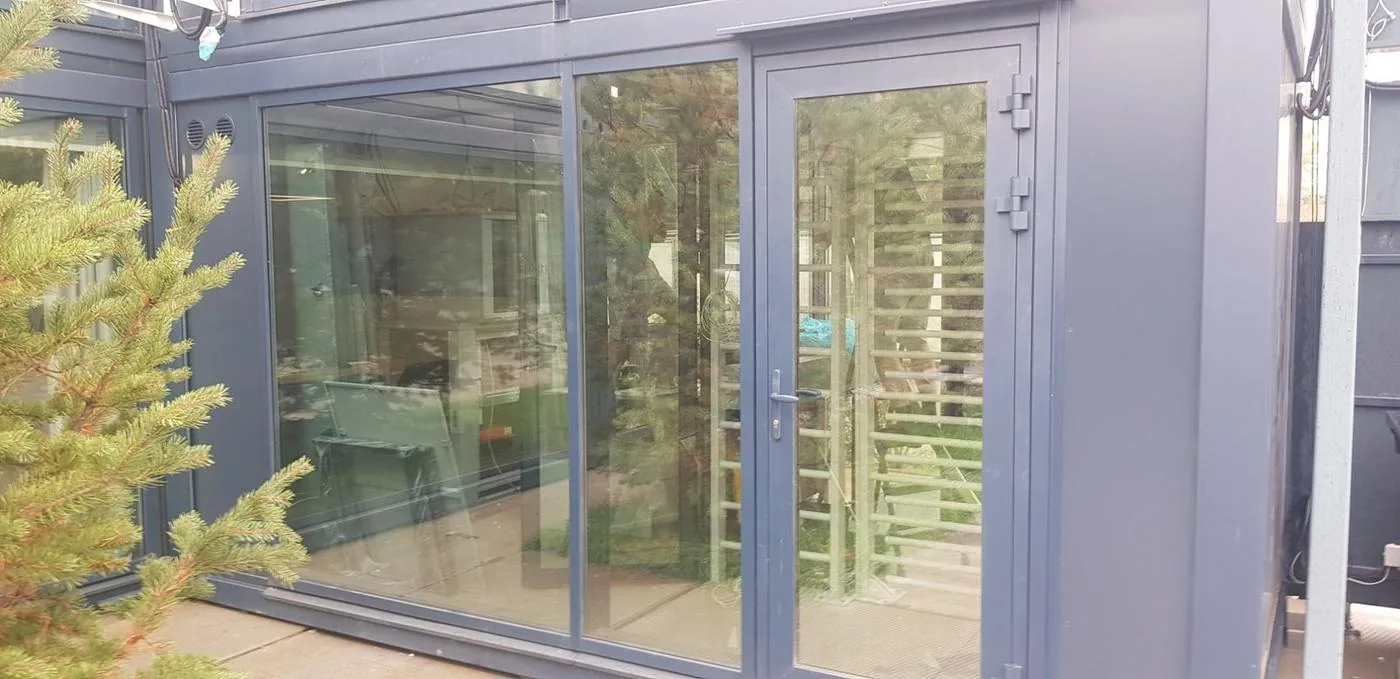
How to apply this on a project
- Step 1. Remember that the key difference is moving a significant share of the work into factory conditions.
- Step 2. A module can be a standalone product or part of a multi-module building.
- Step 3. The design must account for production, transport, lifting, joining and operation.
- Step 4. Modularity gives repeatability but does not eliminate design.
Typical mistake
Treating any steel container as a full-fledged modular building regardless of purpose and design.
Check before the next step
- Purpose
- Modular grid
- Production
- Logistics
- Installation
- Operation
Related materials and tools
Apply the lesson to your project
Gather the input data and record the unknown parameters as questions for approval. We prepare a calculation based on the questionnaire within 1 working day.