What you will be able to do after this lesson
You will get a step-by-step procedure that reduces the risk of rework after the tender.
Why it matters
The order matters: function and mandatory requirements first, then regulatory and design input data, then a comparison against the real capabilities of local production and supply, then logistics, compatibility, maintainability and alternatives. Specific materials and details are fixed in the design last.
The reverse order — first picking a product from a catalog, then fitting it into the local design and supply chain — is the source of most rework: equipment replacement after the tender, recalculations, repeat approvals.
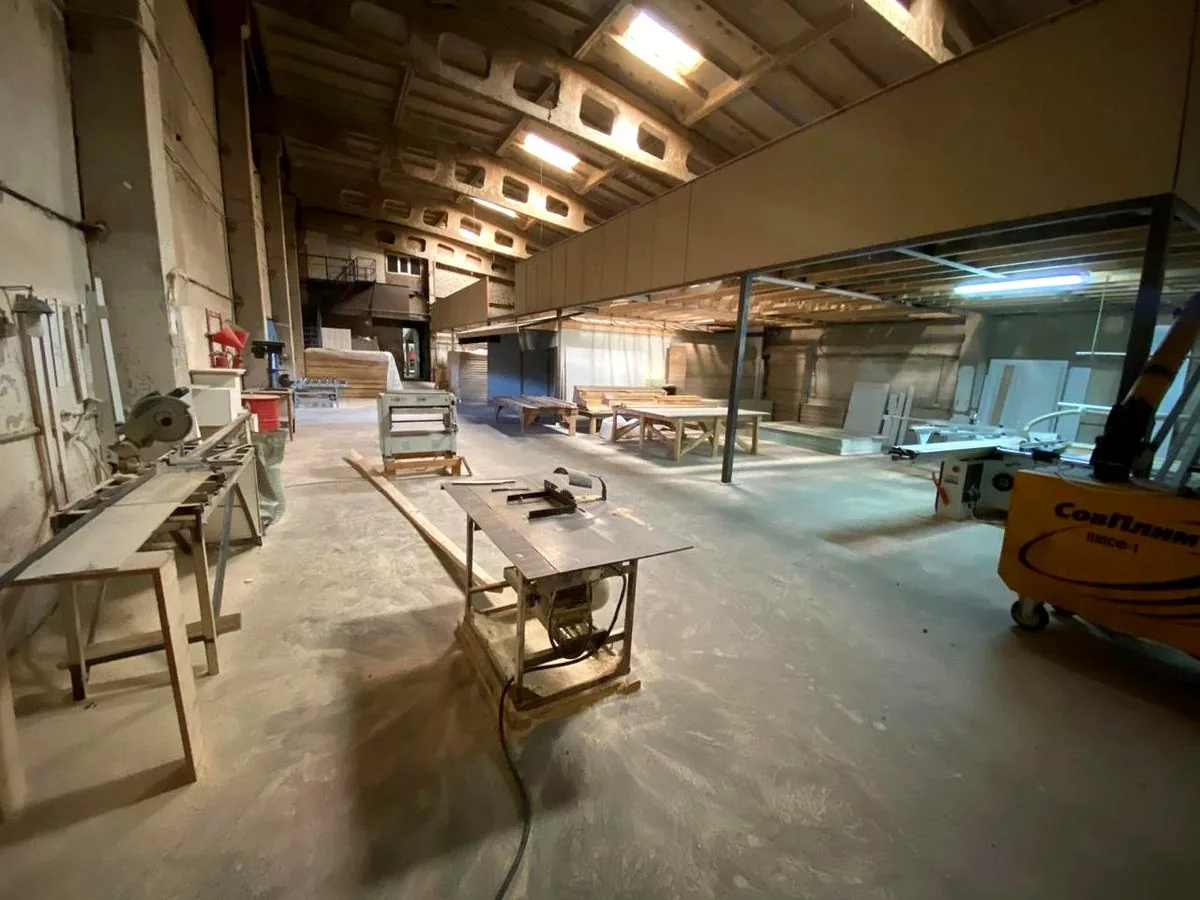
This is the Academy's philosophy in one sentence: design what can actually be produced, delivered, installed and maintained in the specific location. A good design is not the most complex one, but the one that solves the task safely and rationally without endless rework.
How to apply this on a project
- Step 1. Define the function and the mandatory requirements.
- Step 2. Check the regulatory and design input data.
- Step 3. Compare the solution against the real capabilities of local production and supply.
- Step 4. Check logistics, compatibility, maintainability and available alternatives.
- Step 5. Only then fix specific materials and details in the design.
Typical mistake
Picking an exotic product from a catalog first and then trying to fit it into the local design and supply chain.
Check before the next step
- Task
- Codes
- Local production
- Logistics
- Compatibility
- Maintenance
- Alternatives
Related materials and tools
Apply the lesson to your project
Gather the input data and record the unknown parameters as questions for approval. We prepare a calculation based on the questionnaire within 1 working day.