What you will be able to do after this lesson
You will specify engineering sections through interfaces and check component availability before the design is issued.
Why it matters
A typical scenario: the design engineer specifies a particular rare component; after the tender it cannot be delivered on time, and the search for an equivalent begins, followed by recalculation, design changes and repeated approvals. The client pays for all of this in time and money. Availability must be checked at the spec and design stage, not at procurement.
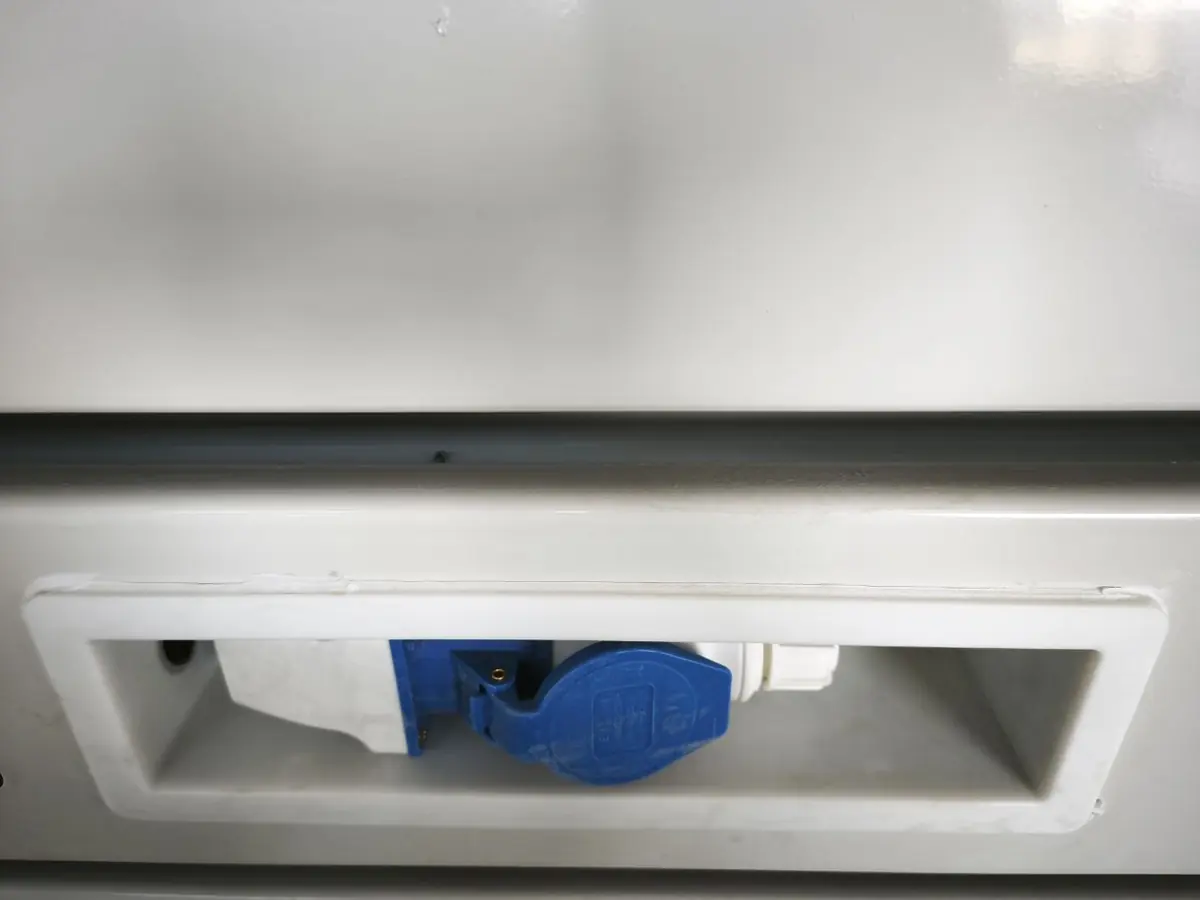
For each engineering discipline, the spec records the source and connection point as well as the interface: voltage and power, water flow and pressure, elevation and method of wastewater discharge, ventilation air flows. The factory-built part of the module and the site's external networks are separated explicitly.
The Academy's position: proven and available solutions first, custom ones where they are genuinely needed. This does not restrict the architecture, but it removes the risk of replacing equipment after design.
How to apply this on a project
- Step 1. For each engineering discipline, define the source and the connection point.
- Step 2. Do not specify a rare component without checking lead times and available equivalents.
- Step 3. Record the interfaces: voltage and power, water and pressure, sewerage and elevations, ventilation air flows.
- Step 4. Separate the factory-built engineering part of the module from the site's external networks.
Typical mistake
Designing a system around a single exotic component that has to be replaced after the tender, with the design reworked.
Check before the next step
- Power supply
- Heating
- Ventilation
- Water
- Sewerage
- Communications
- Available equivalents
Related materials and tools
Apply the lesson to your project
Gather the input data and record the unknown parameters as questions for approval. We prepare a calculation based on the questionnaire within 1 working day.